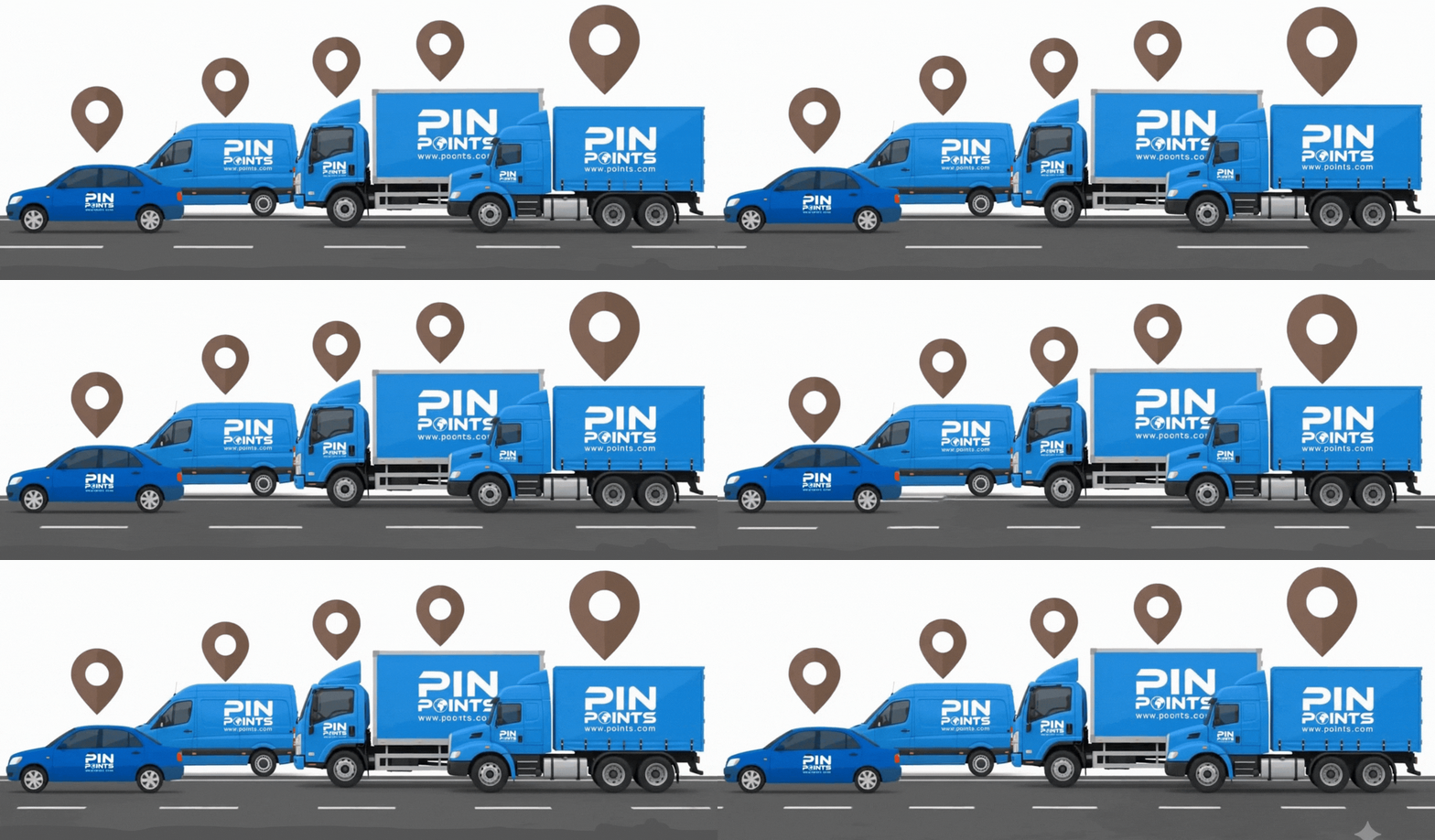

Managing a commercial fleet is no longer just about ensuring vehicles get from point A to point B. It’s about optimizing every mile, minimizing downtime, and protecting your bottom line. As fuel prices fluctuate and maintenance costs rise, relying on manual logs and guesswork simply isn’t viable.
At PINPOINTS, we recognize that true operational efficiency requires data. Smart fleet operations management transforms raw GPS coordinates into actionable insights, allowing you to streamline logistics, reduce overhead, and command your fleet from a single, centralized hub.
1. Monitoring Driver Behavior for Safety and Savings
The way your vehicles are driven directly impacts your operational costs. Aggressive driving doesn’t just increase the risk of accidents; it actively drains your profitability.
Intelligent fleet tracking utilizes advanced telematics to monitor driver behavior in real-time. The system logs critical events such as:
- Harsh Braking & Rapid Acceleration: These actions put unnecessary wear on brake pads and engines, accelerating depreciation.
- Speeding: Monitoring speed limits helps maintain compliance, reduces liability, and improves public perception of your brand.
- Extended Idling: Leaving an engine running while parked burns fuel at an alarming rate without moving the needle on productivity.
By identifying these habits, fleet managers can implement targeted coaching programs, rewarding efficient drivers and correcting poor habits before they lead to costly repairs or accidents.
2. Analyzing and Optimizing Fuel Consumption
Fuel is consistently one of the largest expenses in fleet management. You cannot reduce fuel costs effectively without understanding exactly where and how it is being consumed.
Smart tracking systems integrate directly with a vehicle’s onboard diagnostics. This provides a clear picture of fuel efficiency across the entire fleet.
- Route Optimization: By analyzing historical route data, you can identify patterns of severe traffic or inefficient pathing. Dispatchers can then reroute vehicles dynamically to avoid congestion, cutting down on unnecessary mileage and fuel burn.
- Fuel Theft Prevention: Sudden drops in fuel levels while a vehicle is stationary trigger instant alerts, helping you detect and prevent unauthorized siphoning.
3. Predictive Maintenance Reminders
A vehicle in the shop is a vehicle that isn’t generating revenue. Even worse is a vehicle that breaks down on the road, causing delayed deliveries and emergency towing fees.
Traditional maintenance relies on static calendar dates or rough mileage estimates. Smart fleet management shifts this paradigm to predictive maintenance.
The system automatically tracks engine hours, exact mileage, and diagnostic fault codes. You can configure the dashboard to send automated alerts when:
- An oil change or tire rotation is due based on actual usage.
- An engine light is triggered, allowing you to intercept minor issues before they become catastrophic engine failures.
- Routine inspections and registration renewals are approaching.
By servicing vehicles precisely when they need it, you extend their lifespan and drastically reduce unexpected downtime.
4. The Power of a Centralized Dashboard
The true value of smart fleet management lies in aggregation. Instead of jumping between different spreadsheets, communication apps, and maintenance logs, a centralized dashboard brings your entire operation into a single pane of glass.
Whether you are monitoring a dozen local delivery vans or hundreds of interstate transport trucks, a modern UI allows you to filter data, generate automated reports, and see the big picture at a glance. It empowers dispatchers, safety managers, and executives to make informed, data-driven decisions that propel the business forward.
Upgrading to an intelligent fleet tracking system is not an expense—it is an investment that pays continuous dividends in efficiency, safety, and cost reduction.